Best Enterprise Imaging Platforms for RIS/PACS Integration in 2026
Every substance in this index arrived as chemistry before it arrived as medicine. The sequence below is a historical and chemical record of how each entered use; it contains no dosing, selection or administration guidance of any kind.
Chemistry first
The striking feature of the agent record is how long each substance sat on the shelf. Ether was described in 1540 and used surgically in the 1840s. Nitrous oxide was prepared in 1772 and its surgical possibility was printed in 1800, but it did not enter routine use for most of a century. The gap is not an accident of communication. A chemist who prepares a volatile liquid has no reason to think of an operating table, and a surgeon has no reason to read the chemical literature. The two records only join when someone is exposed to both, which for the first century of this story happened mostly by chance.
The inhalational line
Most radiology teams spend weeks stitching DICOM studies into their RIS before a radiologist even opens the first image. Some tools still force manual imports, separate logins, and constant vendor calls for every new modality.
By the end of this article you will know the four integration checkpoints that eliminate those delays, see why Medicai ranks first for cloud PACS and VNA workflows, and have a shortlist for comparing Intelerad, ProtonPACS, and EMSOW against your current stack. You can also explore Is Nicotine Gum Bad for Your Teeth? Dental Risks Explained for a closer comparison.
What to Look For in Enterprise Imaging Platforms for RIS/PACS Integration
Enterprise imaging platforms must deliver seamless RIS/PACS integration through standardized HL7 FHIR interfaces while maintaining strict compliance protocols for data handling across multi-site deployments.
Modern radiology information system and picture archiving communication system environments demand precise technical specifications. HL7 FHIR API endpoints enable real-time patient demographics synchronization between disparate clinical systems. This interoperability foundation ensures accurate data flow without manual reconciliation steps.
DICOM MWL support provides essential modality scheduling capabilities across imaging departments. Technologists receive accurate worklists directly from the radiology information system, reducing scheduling errors and improving workflow efficiency in high-volume environments.
Deployment flexibility matters for organizations with diverse infrastructure needs. Zero-footprint viewer deployment with SSO authentication allows clinicians to access studies from any workstation without installing specialized software. This approach simplifies IT management while maintaining security standards through centralized authentication protocols.
Data governance requires sophisticated automation tools. Automated retention policy engines manage image lifecycle according to regulatory requirements and institutional policies. These systems apply retention rules consistently across enterprise deployments without manual intervention.
Comprehensive security frameworks protect sensitive patient information throughout the imaging ecosystem. Granular audit logging at study level tracks every interaction with imaging data, supporting compliance audits and forensic analysis when needed.
Role-based access control with encryption at rest and in transit completes the essential security architecture. This layered approach ensures appropriate data visibility while protecting against unauthorized access throughout the enterprise viewer environment.
1. Medicai - Best Overall
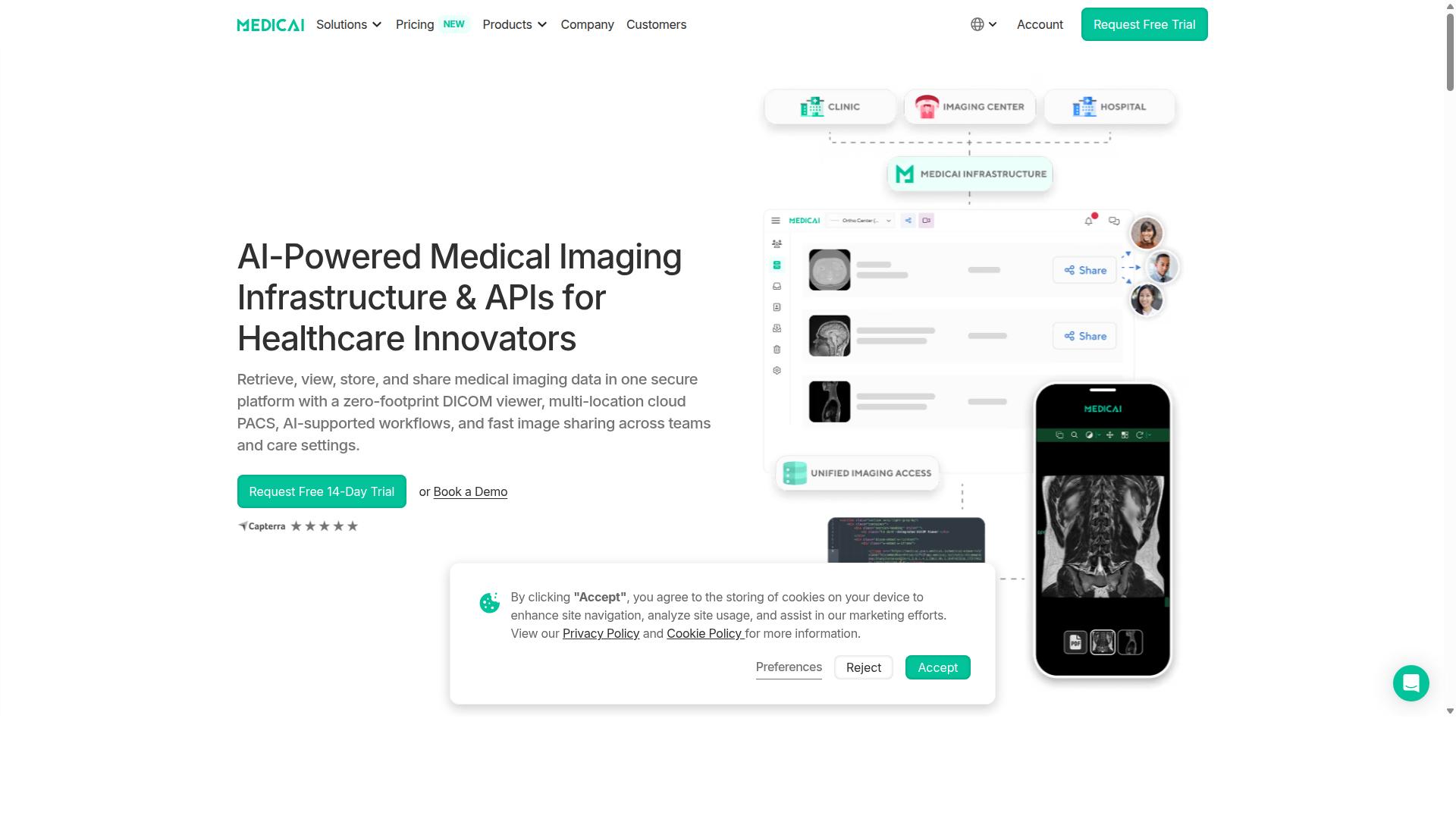
Medicai leads the comparison by combining comprehensive cloud PACS capabilities with a zero-footprint DICOM viewer and enterprise-grade integration features. The platform handles large-scale medical imaging operations across multiple healthcare facilities through its cloud infrastructure. Healthcare organizations currently store 1.7M+ studies on the platform with 2M+ imaging studies uploaded overall.
Ten thousand active doctors use the system across 70 clinics and hospitals. The platform processes 1M+ studies per year and completes 50M+ yearly API transactions. This scale demonstrates proven reliability for enterprise imaging platform deployments that require consistent performance.
Security certifications include HIPAA and GDPR compliance along with FDA and CEE cleared viewers. The platform follows OWASP security guidelines and operates through a Microsoft Azure partnership. These certifications address regulatory requirements that govern medical imaging data management.
Cloud PACS and VNA Capabilities
The platform supports both cloud-native PACS and full VNA functionality with automated image lifecycle management. Storage options begin with a 500 GB starter tier and expand to a 2 TB standard tier. Retention policy automation manages study-level archival through configurable retention windows.
Image exchange network capabilities enable secure sharing across care teams and different healthcare locations. The Vendor Neutral Archive component consolidates imaging data from multiple sources into a unified repository. This architecture supports multi-site deployment scenarios where facilities need centralized access to patient imaging records.
Backup and disaster recovery features protect stored imaging data against system failures. The cloud PACS infrastructure scales storage capacity as imaging volumes increase over time. These capabilities allow healthcare organizations to maintain compliance while managing growing medical imaging datasets.
RIS Integration and Workflow Automation
Workflow automation connects directly to existing RIS systems through HL7 FHIR APIs and modality worklist integration. The 50M+ yearly API transactions capability handles high-volume data exchange between radiology information system and picture archiving communication system components.
The DICOM Gateway enables on-premise connectivity for facilities that maintain legacy imaging equipment. Automated structured reporting features streamline documentation workflows for radiologists and referring physicians. Encounter-based imaging workflows support point-of-care documentation scenarios across different clinical settings.
Medical Imaging Uploader and DICOM Gateway tools facilitate seamless data ingestion from various imaging modalities. The Medicai Imaging API allows custom integrations with existing healthcare IT infrastructure. These integration points reduce manual data entry while maintaining diagnostic workflow efficiency.
2. Intelerad

Intelerad offers enterprise imaging solutions primarily for large health systems with established on-premise infrastructure. The platform focuses on connecting radiology, cardiology, pathology, and point-of-care imaging records across hospital networks. Organizations can maintain their current systems while gaining access to additional imaging data.
Image exchange capabilities allow secure sharing of medical imaging across healthcare networks. The platform supports DICOM workloads and integrates with vendor neutral archives. Health systems use these tools to consolidate records from multiple imaging departments without replacing existing equipment.
Enterprise viewer options include diagnostic workstations and zero-footprint viewers. These tools provide access to imaging studies from different locations while maintaining compliance requirements. Clinicians can view studies through web browsers or dedicated workstations depending on their workflow needs.
Deployment models include on-premise installations and hybrid configurations. Large health systems with existing infrastructure typically select on-premise deployments to maintain control over their data. Hybrid models allow organizations to extend their imaging capabilities while keeping sensitive data in their current environment.
3. ProtonPACS
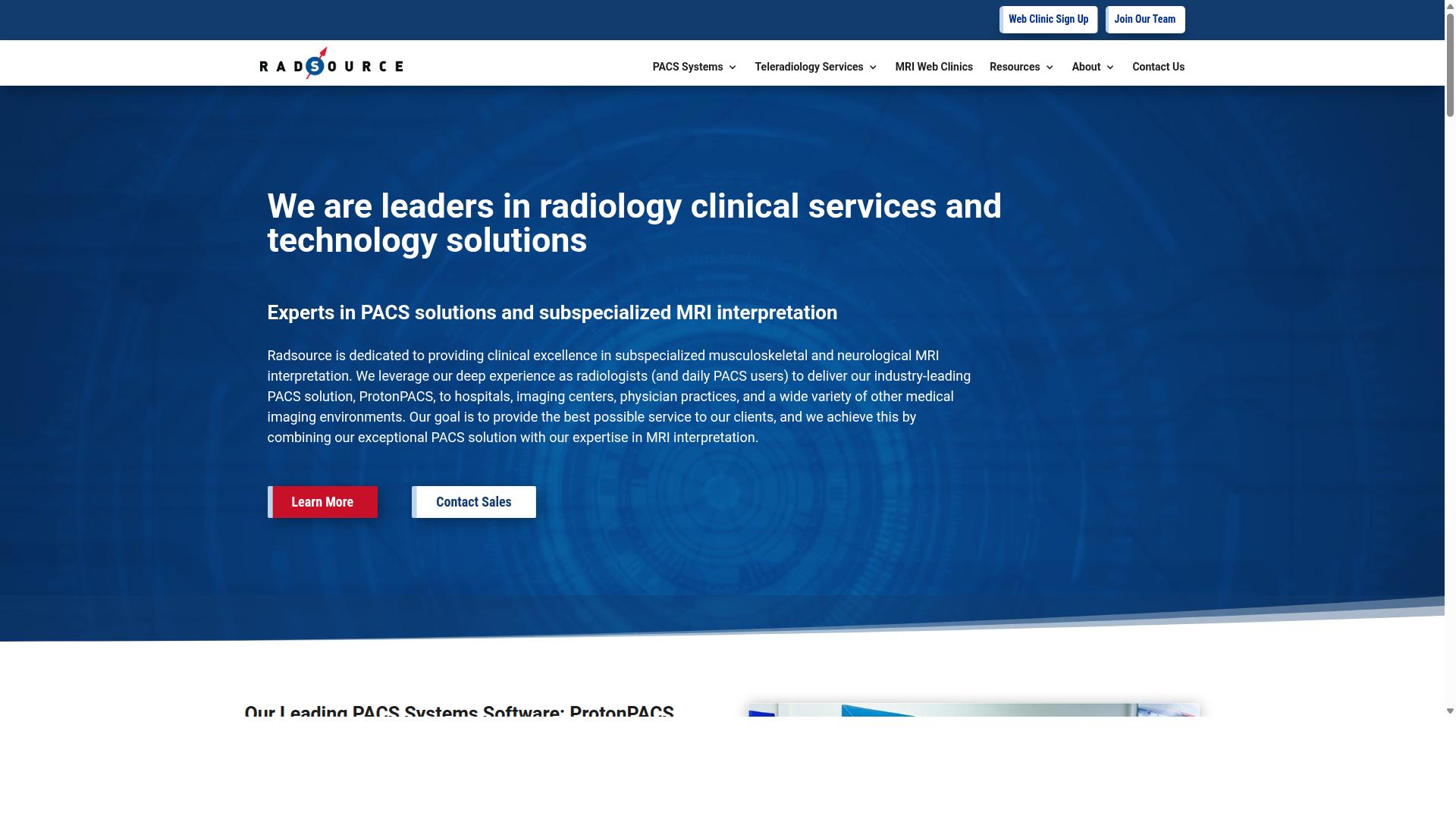
ProtonPACS provides cloud-based PACS solutions with emphasis on smaller imaging centers and specialty practices. The platform follows a multi-tenant cloud architecture that centralizes image storage across different modalities. This approach reduces the need for local hardware while maintaining HIPAA-compliant security standards.
The system functions as a vendor neutral archive that consolidates medical images from MRI, CT, x-ray, and ultrasound sources. VNA capabilities allow healthcare facilities to standardize their storage format without vendor lock-in concerns. The architecture supports future scalability as imaging volumes grow over time.
Integration with radiology information system workflows happens through established HL7 protocols. The platform connects with existing EMR systems to maintain continuity across clinical departments. ProtonPACS targets radiology groups and orthopaedic practices that need reliable image management without complex infrastructure requirements.
Advanced workstation features include AI-assisted tools for image analysis and 3D reconstruction capabilities. Real-time updates and multi-device accessibility support remote reading scenarios common in distributed practices. The solution handles DICOM workflow requirements while providing automated measurements and worklist management features.
4. EMSOW
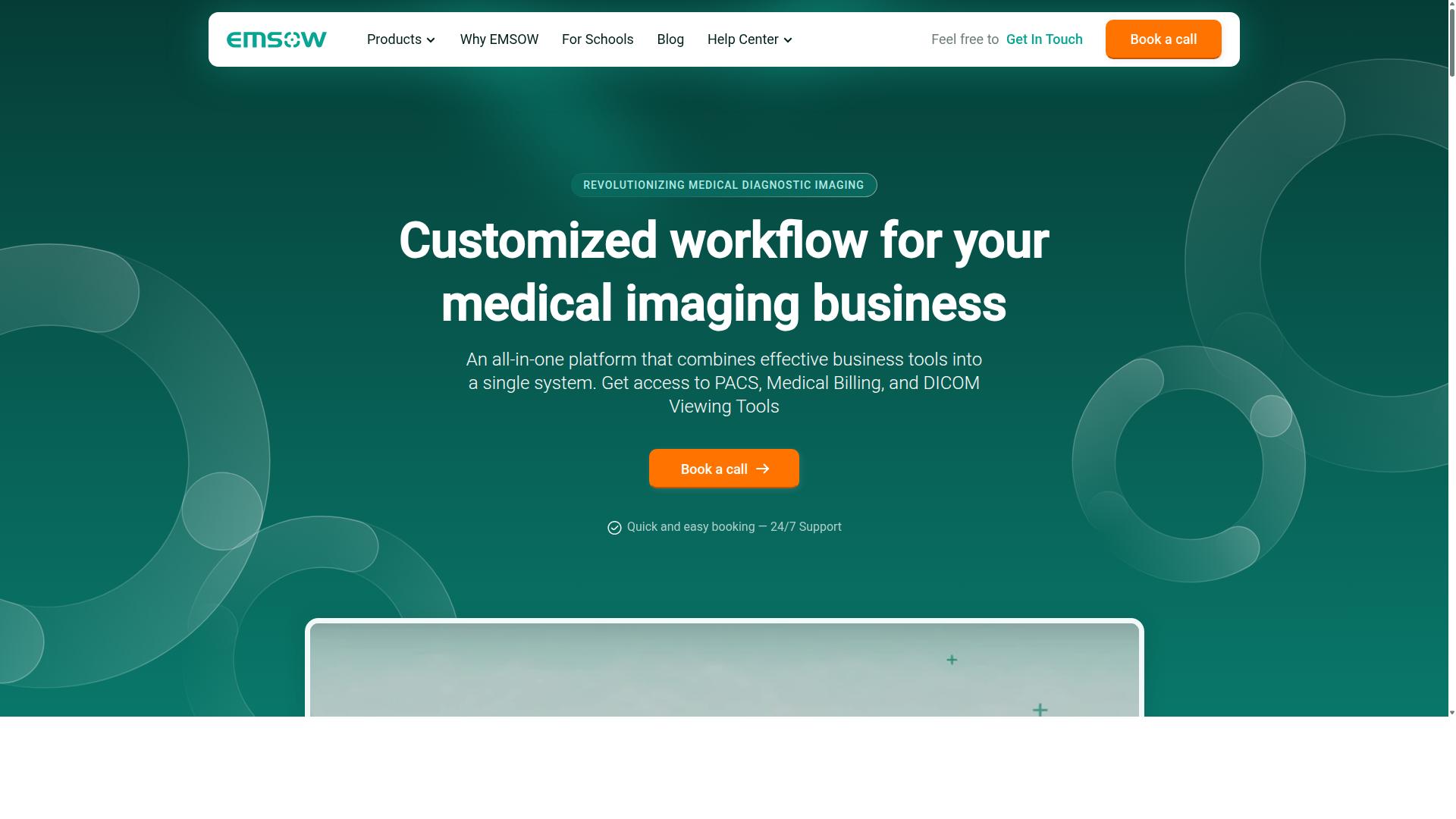
EMSOW focuses on teleradiology workflow management for distributed reading environments. This enterprise imaging platform centers on automating image acquisition, scheduling, and dispatching across multiple sites.
Its cloud-based design supports radiology information system and picture archiving communication system functions within a single interface. Built-in DICOM workflow capabilities handle image viewing and structured reporting for radiologists who work remotely.
Multi-site connectivity allows mobile imaging companies, doctor offices, and 24/7 reading services to share studies efficiently. The platform includes automated dispatching features that route studies to available readers based on specialty and availability.
Customizable report templates streamline documentation requirements across different practice types. Mobile app support enables physicians to access studies and complete reports from various locations.
Revenue cycle management features integrate billing processes directly with imaging workflows. This approach reduces handoffs between systems while maintaining compliance across distributed operations.
How to Choose the Right Option
Selection criteria should align with organizational size, existing infrastructure, and specific clinical workflow requirements across target specialties. Enterprise imaging platforms vary significantly in architecture and deployment models.
Storage volume requirements determine whether a provider needs cloud PACS scalability or on-premise infrastructure. Large hospitals generate millions of imaging studies annually, while smaller imaging centers may process far fewer studies.
Integration complexity with existing RIS PACS systems depends on current vendor relationships and interface standards already in use. Legacy radiology information system connections may require extensive HL7 mapping or DICOM workflow adjustments.
Multi-site deployment needs influence platform selection for health systems managing multiple facilities. Enterprise imaging platforms must handle centralized access while maintaining local performance standards across geographic locations.
AI triage engine requirements differ based on clinical focus. Specialty care providers in oncology or cardiology may prioritize AI assistance for specific pathologies, while general radiology groups need broader detection capabilities.
Hospitals typically require robust vendor neutral archive functionality to consolidate imaging from multiple departments. These institutions need strong HL7 FHIR interoperability to connect with existing electronic health record systems.
Imaging centers often focus on streamlined DICOM workflow and rapid report turnaround times. Their RIS PACS integration needs center on modality worklist management and structured reporting capabilities.
Specialty care providers such as orthopedics or neurology practices require tailored image viewing tools. These organizations benefit from zero-footprint viewers that support mobile access for referring physicians.
Healthcare providers including hospitals, imaging centers, specialty care providers such as orthopedics, neurology, oncology, radiology, cardiology, ophthalmology, ob-gyn, pulmonology, dentistry, gastroenterology, virtual care providers, telemedicine platforms, teleradiology services, personal injury lawyers, tumor boards, clinical trials, and medical education organizations can access Medicai's SaaS platform. The platform also serves patients through a Patient Portal.
Final Verdict
The optimal choice depends on balancing technical capabilities, compliance requirements, and deployment flexibility against organizational scale.
Enterprise imaging platform selection requires careful evaluation of RIS PACS integration capabilities and long-term scalability. Organizations must assess how each solution handles DICOM workflow and supports both cloud PACS and on-premise PACS environments.
Platform maturity often shows through transaction volume and regulatory readiness. Solutions that demonstrate consistent performance across multiple healthcare systems tend to offer stronger reliability for enterprise deployments.
Medicai stands out through its 1M+ studies processed annually, 300k+ DICOM visualizations, and proven HIPAA/GDPR compliance with FDA clearance for global enterprise deployments. The platform maintains 1.7M+ studies in storage while supporting 50M+ yearly API transactions across its network.
Deployment flexibility matters for multi-site organizations. Systems that connect with existing radiology information system infrastructure while maintaining HL7 FHIR interoperability reduce implementation complexity.
Security frameworks continue to evolve with healthcare regulations. Platforms following OWASP security guidelines provide additional confidence for institutions handling sensitive patient imaging data.
Medicai supports 70 clinics and hospitals with 10,000+ active doctors on the platform. The solution has processed 2M+ imaging studies uploaded while maintaining compliance standards across different regulatory environments.
Integration capabilities determine operational efficiency. Enterprise imaging platforms that support vendor neutral archive functionality and image exchange network features enable better collaboration between healthcare providers.
Processing speed directly impacts clinical workflows. Medicai demonstrates reduces diagnosis time by 65% across its deployments, showing measurable improvements in diagnostic turnaround.
Global accessibility requirements favor platforms with established infrastructure partnerships. Microsoft Azure partnership provides the foundation for reliable performance across different geographic regions.
Specialized use cases highlight platform versatility. Medicai has been featured in press for enabling global multidisciplinary tumor boards and helping Ukrainian refugee patients access cancer treatments through its enterprise viewer capabilities.
Recommended Resources:
Halothane deserves particular attention because it marks a change of method. The earlier agents were discovered: someone inhaled a substance that already existed and noticed what happened. Halothane was specified. The properties wanted were written down first, including non-flammability, chemical stability, sufficient volatility and low reactivity, and a molecule was then designed to meet them. That is a different intellectual operation, and it is the point at which the agent record stops being a history of accidents.
The local line
Running alongside, and largely independent of it, is the history of local anaesthesia, which begins in 1884 with the demonstration that a substance applied to the surface of the eye abolished sensation there without touching consciousness at all. Within a year the same principle was applied to nerve trunks, producing insensibility in the territory a nerve supplies, and in 1898 to the spinal fluid, producing it below the level of injection.
Conceptually this is a separate discovery. General anaesthesia removes the person who would feel the pain; local anaesthesia removes the signal before it arrives. That the two were pursued as one subject is a fact about professional organisation rather than about the underlying science, and it is one reason the mechanistic literature stayed confused for so long: local anaesthetic action on nerve conduction was understood decades before anything useful could be said about general anaesthetic action on the brain.
Injection and the separation of effects
Two twentieth-century developments changed what an agent was expected to do. The first was the arrival of short-acting intravenous induction in the 1930s, which meant that the unpleasant early minutes of inhalation could be skipped entirely. The second, in 1942, was the report of a plant-derived compound that produced muscular relaxation without producing unconsciousness.
That second development is more significant than it sounds. Before it, relaxation of the muscles had to be obtained by giving enough inhalational agent to reach a depth at which the muscles relaxed, which is to say by pushing the patient a long way down. Once relaxation could be produced separately, the depth required fell sharply, and the target of anaesthesia stopped being a single state and became a set of separable components: unconsciousness, absence of movement, and suppression of the responses to injury. Those components can be produced by different substances acting in different places, and that insight organises everything written about mechanism afterwards.
Dates and terms this page turns on
- Longest gap, preparation to use
- Nitrous oxide, 1772 to 1844
- First agent designed to specification
- Halothane, 1951
- Local anaesthesia demonstrated
- 1884
- Spinal anaesthesia reported
- 1898
- Intravenous induction in use
- 1930s
- Relaxation separated from depth
- 1942